



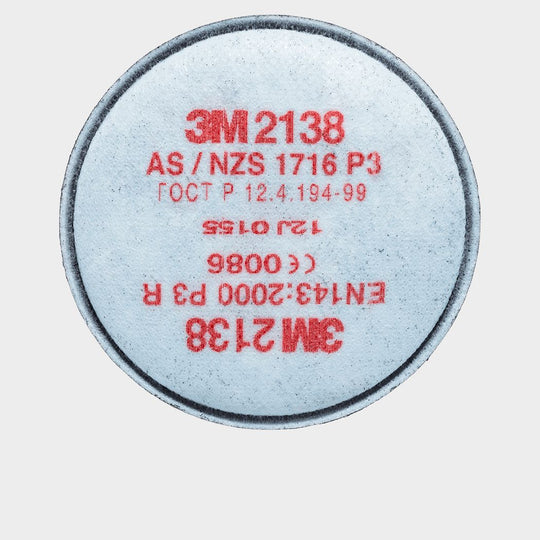


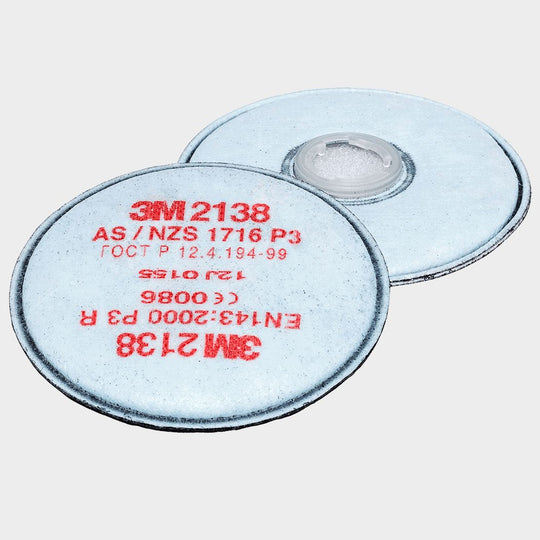


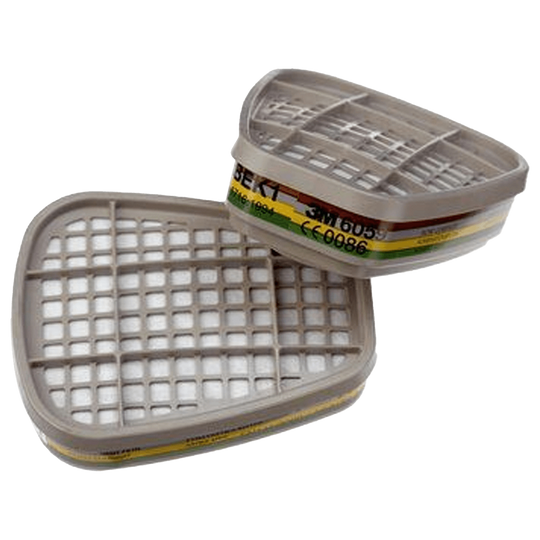
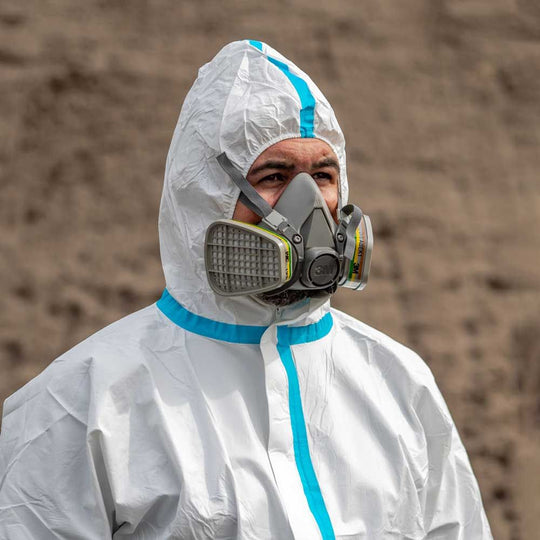


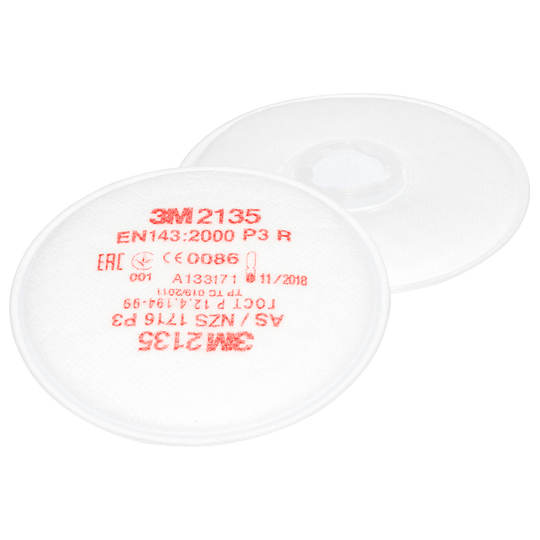

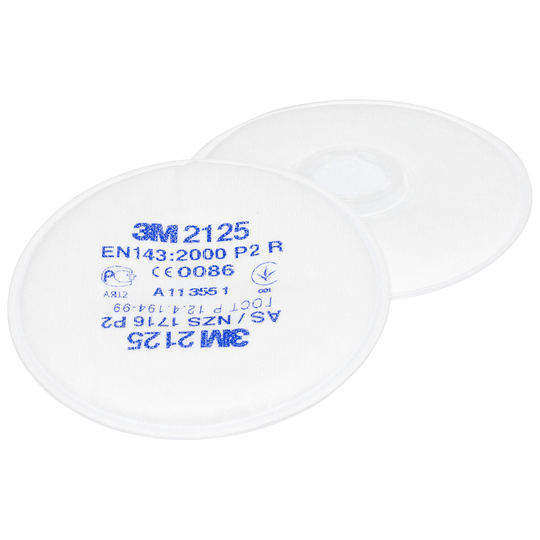
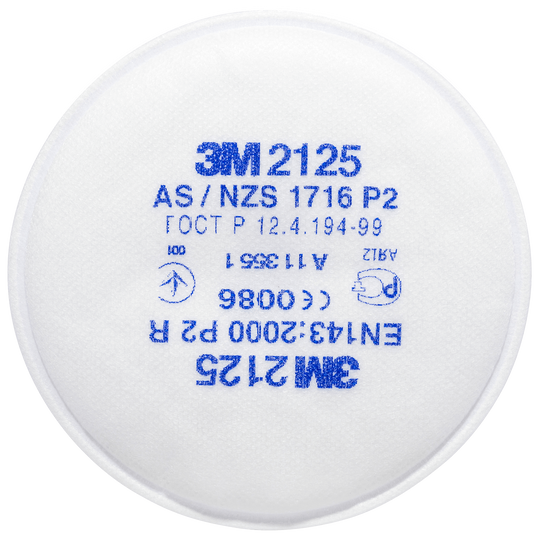
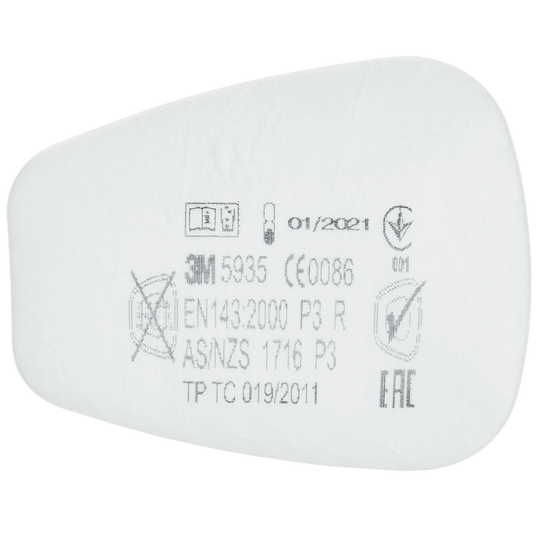



Mask filters are a critical element of respiratory protection systems and play a direct role in the health and safety of workers in environments with dust, aerosols, gases, and chemical vapors. At Bultex99.com, we offer professional filters compatible with various models half-face masks and full-face masksthat comply with current European standards such as EN 143 and EN 14387.
As part of comprehensive solutions for PPE (personal protective equipment), filters must be chosen informedly – according to the risk, contaminant concentration, and specifics of the work environment.
How to determine which mask filters are compatible with your equipment?
Compatibility between the filter and the mask is the first and most important step toward effective protection. Even the highest class filter will not provide safety if it is not properly secured or not intended for the specific mask model.
Before making a choice, it is necessary to check the type of connecting mechanism and the mask manufacturer's recommendations.
Differences between the bayonet system and standard thread
The two most common methods for attaching filters to masks are the bayonet system and standard thread (according to EN 148-1). To determine which type you need, pay attention to the following characteristics:
-
Bayonet system
Allows quick attachment by twisting to lock. Commonly used in industrial models, including solutions from manufacturers like 3M, and provides a stable and airtight connection.
-
Standard thread (EN 148-1)
Universal screw mechanism, widely used in professional full-face masks. Provides a high level of security and is preferred in the chemical and heavy industries.
The choice between the two options depends entirely on the mask model you have. Always check the technical specifications to ensure complete airtightness and effectiveness.

Using pre-filters to extend the life of the main consumable
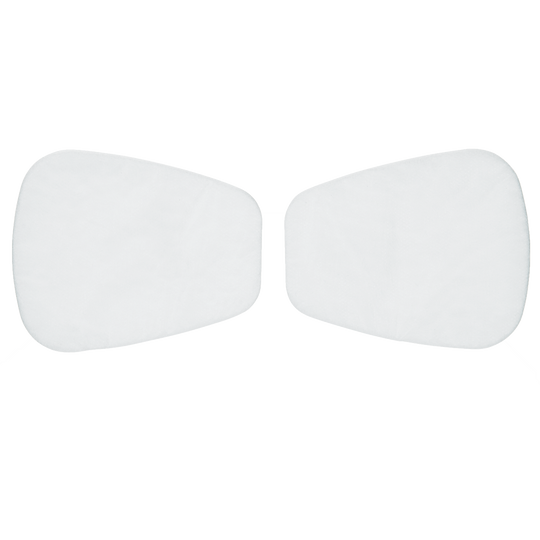
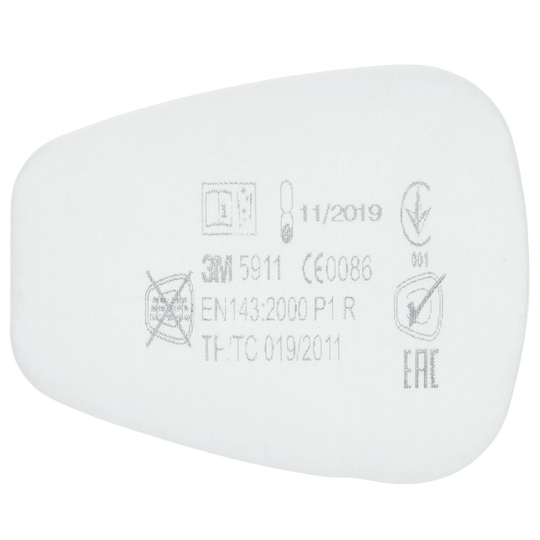
In environments with a high concentration of dust or aerosols, the use of a pre-filter is recommended. It protects the main gas filter from premature contamination.
Here are cases where pre-filters are especially useful:
-
when grinding, cutting, and processing materials with fine dust formation;
-
when spray painting, where there are both aerosols and vapors;
-
at construction sites with increased dust content in the air;
-
in agriculture when working with pesticides and powdered products.
Using a pre-filter reduces the load on the main filter and can optimize replacement costs without compromising safety.
What criteria should you use to choose the level of protection for your work environment?
The choice of filter should be based on a real risk assessment. The main question you need to answer is: "Against what type of contaminant do I need protection?"
Filters are classified according to European standards EN 143 and EN 14387, with markings including letter designations and color codes.
Color codes and letter markings according to European standards
For easier orientation, we present a summary table of the most commonly used filter types and their purpose:
|
Marking |
Color of the band |
Specific protection against |
|
A |
Brown |
Organic gases and vapors with a boiling point > 65°C (e.g., solvents, paints) |
|
B |
Gray |
Inorganic gases and vapors (e.g., chlorine, hydrogen sulfide), excluding carbon monoxide |
|
E |
Yellow |
Sulfur dioxide and other acidic gases |
|
K |
Green |
Ammonia and organic ammonia derivatives |
|
P (P1, P2, P3) |
White |
Solid and liquid aerosols, dust particles, viruses |
This color system is standardized throughout the EU and allows quick recognition of the type of protection. In the presence of combined risks, combined filters are used that combine several letter markings.
Specifics of combined ABEK filters
Combined ABEK filters are designed for environments where there are simultaneously organic, inorganic, and acidic gases, as well as ammonia.
They are suitable for:
-
chemical production and laboratory activities;
-
working with solvents and aggressive chemicals;
-
emergency situations with unknown or mixed types of contaminants.
Combined filters are often supplemented with a dust module (e.g., ABEK-P3) when there are aerosols in addition to gases. This provides comprehensive protection in accordance with safety standards.

Why choose Bultex99.com for purchasing certified mask filters?
At Bultex99.com, we take a responsible approach to selecting the products we offer because they are directly related to the health of our customers.
Guaranteed origin from established global manufacturers
We work with proven brands and manufacturers, including 3M-class solutions that cover all applicable European standards.
Our assortment includes:
-
dust filters class P1, P2, and P3 according to EN 143;
-
gas and vapor filters according to EN 14387;
-
combined filters for comprehensive protection;
-
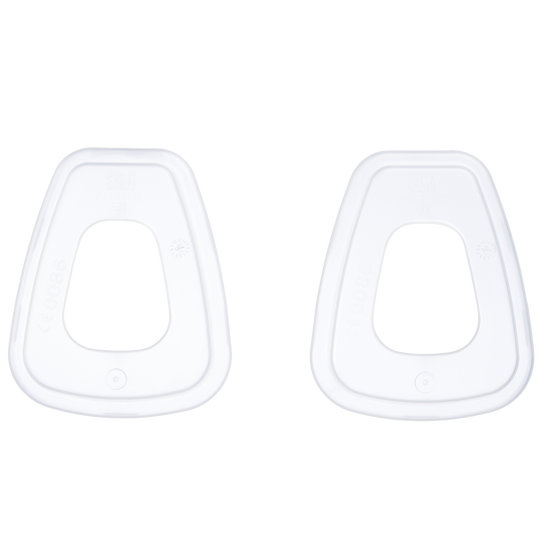
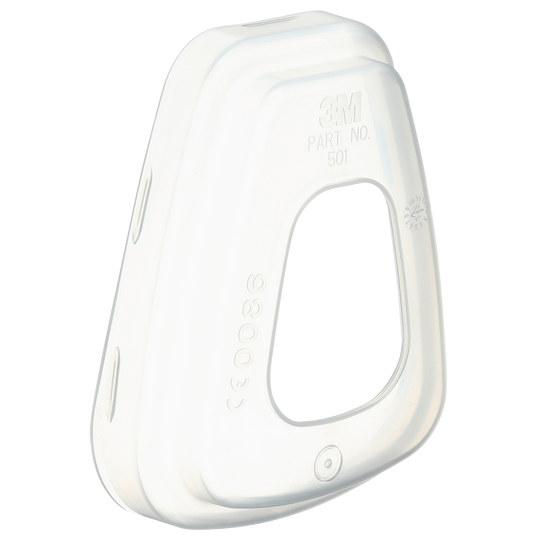
accessories and pre-filters to extend the system's life.
Each product is accompanied by technical documentation and a clear description so you can make an informed choice according to the specifics of your work environment.
Strict adherence to expiration dates and storage conditions
Filters have a limited shelf life, especially gas models with activated carbon. We strictly monitor storage conditions and stock rotation.
This means for you:
-
receive a product with preserved filtering properties;
-
minimize the risk of using compromised consumables;
-
you have clear information about storage duration and conditions.
Additionally, on our platform, you will find transparent information about price, technical specifications, and compatibility, allowing you to compare options and choose the most suitable solution according to your budget and requirements.
The right choice of filters is an investment in your health and long-term work capacity. At Bultex99.com, you will find professional respiratory protection solutions tailored to standards and real working conditions.
Browse our online offers, compare features, and choose a certified filter that guarantees reliable protection and peace of mind in your work environment.