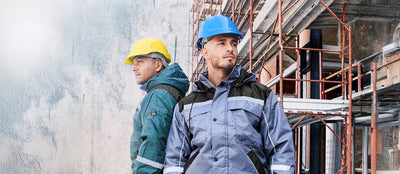


Working at height involves many risks and requires special safety measures to prevent serious accidents. In this context, it is extremely important to understand the potential dangers and what equipment and personal protective equipment it is appropriate to use. What are the risks when working at height? Working at height involves certain risks that can...
Working at Height: Best Practices for Preventing Accidents

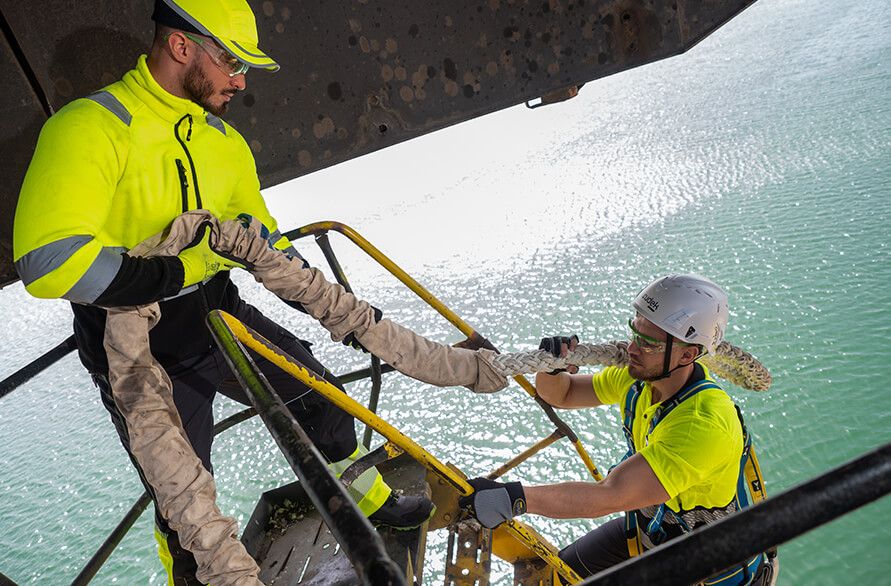
Working at height involves many risks and requires special safety measures to prevent serious accidents. In this context, it is extremely important to understand the potential dangers and what equipment and personal protective equipment it is appropriate to use.
What are the risks when working at height?
Working at height involves certain risks that can lead to serious injuries or even fatal accidents, including:
-
slipping and tripping – one of the main hazards when working at height is slipping or tripping, which can happen when moving on flat surfaces, ladders, or unstable platforms;
-
falling from height – falling from height, even from one and a half meters, can lead to serious injuries. This is especially true when working on scaffolding, mobile platforms, or using ladders;
-
exposure to adverse weather conditions – wind, rain, ice, and snow can significantly increase the risk of accidents when working at height.
Preventing these risks requires strict adherence to safety measures and the use of the correct equipment.
What equipment should be used to prevent accidents?
Using the right equipment is a key factor in preventing accidents when working at height. It is important that they are adapted to the specific conditions of the work environment. Here is what is needed:
-
scaffolding – should be stable and properly installed, taking into account all safety specifications and requirements;
-
ladders – must be made of high-quality materials and used according to instructions to avoid slipping and falling;
-
mobile platforms and towers – these facilities provide flexibility and mobility but need to be regularly inspected and maintained;
-
safety nets – used to prevent falls from height and to catch falling objects. They can be installed under work areas, providing additional protection;
-
protective canopies and walkways – installed around and under work areas to protect workers from falling objects. Additionally, they protect people passing underneath;
-
railings and barriers – installing railings and barriers at work sites can significantly reduce the risk of falling.
Using this equipment provides additional protection and ensures a safer environment for all workers.
What personal protective equipment do you need for height protection?
The correct choice of personal protective equipment is very important for protection when working at heights. What PPE do workers need?
-
helmets – protect the head from falling objects and impacts and must be equipped with a chin strap for greater stability;
-
harnesses – distribute the weight during a fall and provide security and comfort when working at heights. Harnesses are made of strong materials and have several attachment points;
-
ropes – ropes made of high-quality materials such as nylon or polyester, which withstand heavy loads, are mandatory to ensure safety;
-
belts – play a key role in providing protection and stability when working at heights. Safety belts for working at heights are designed to hold and position the worker and are used together with harnesses and ropes;
-
carabiners – connect different components of the safety system and provide reliable and secure connections;
-
safety lines (or support lines) – provide continuous fall protection. They can be horizontal, vertical, or inclined and are made from strong materials such as steel cable or synthetic ropes;
-
devices for fall limitation and controlled descent (shock absorbers) – integrated into the rope system and serve to reduce forces on the body during a fall. They absorb the energy from the fall, reducing the risk of serious injuries;
-
protective goggles and protective shields – essential for protecting the eyes from dust, flying particles, and other potential hazards. They must be compatible with other PPE, such as helmets and hard hats.
The selection of PPE must be tailored to the specific working conditions and carried out after consultation with specialists.
What measures must employers take?
Employers play a key role in ensuring a safe working environment when working at heights. What is required of them?
-
Planning and organizing work
Work at heights must be well planned and organized, taking into account all potential risks.
-
Providing appropriate equipment
Employers should provide the necessary equipment and personal protective gear for their employees.
-
Conducting training
It is important that all new hires undergo specialized safety training for working at heights.
-
Regular inspection of equipment
Employers need to ensure that equipment and PPE are regularly inspected and in good condition.
These employer obligations are essential for creating a safe environment and minimizing the risk of accidents.
Rules that workers are required to follow
Workers also have responsibilities when working at heights and must follow certain safety rules. What are they?
-
Reporting malfunctions and irregularities
They must immediately report any potential hazards and irregularities they identify to their direct supervisors.
-
Using the provided equipment
All workers are required to properly use the equipment and personal protective gear provided to them.
-
Following safety instructions
Workers must strictly follow instructions and be careful when performing their duties.
Following these rules is essential to minimize the risk of accidents during work at heights. Employers and their employees need to work together to ensure a safe and productive work environment.
It is important to focus on prevention and avoid the dangers associated with working at heights. This includes choosing the right equipment, regular training, and creating a safety culture.
Secure your protection with quality personal protective equipment from Bultex99. Browse the offers in our online store Bultex99.com and find everything you need for safe and efficient work at heights.
In addition to offering all the necessary means for accident prevention, our team also conducts special safety and health training for working at heights.</p