



During the cold months of the year, choosing the right work shoes is not just a matter of comfort but a necessity. Winter work boots provide protection not only from low temperatures, snow, and rain but also from the risk of injury on slippery surfaces or contact with sharp objects. The right choice can significantly...
What types of work boots are suitable for the cold months of the year?


During the cold months of the year, choosing the right work shoes is not just a matter of comfort but a necessity. Winter work boots provide protection not only from low temperatures, snow, and rain but also from the risk of injury on slippery surfaces or contact with sharp objects. The right choice can significantly improve work efficiency and reduce the risk of injuries. In this article, we will explore how to choose the ideal winter work boots for our needs, focusing on different models, materials, and quality standards.
What types of winter work boots should we choose?
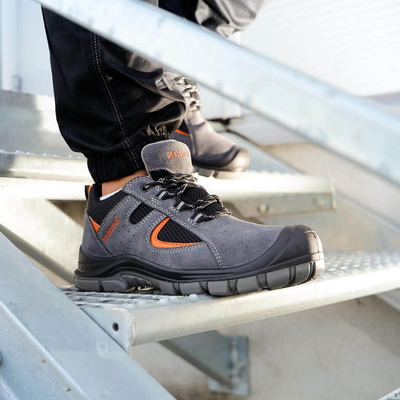
Just like with winter workwear, the choice of winter work boots depends on the specifics of the activity and the conditions in which it is performed. Among the variety of models on the market, the main types include:
- with steel toe caps: equipped with a metal insert in the front that offers protection for the toes from impacts and injuries caused by falling heavy objects. They are ideal for workers in construction, manufacturing, and other environments where the risk of mechanical injuries is high;
- with plates: protect the soles from punctures by sharp objects such as nails or glass. The plates can be made of steel or other durable materials, making them suitable for work environments with a high risk of punctures;
- waterproof: essential for work in wet or snowy conditions, waterproof models prevent water and moisture from entering the boots, keeping feet dry and warm. Waterproof boots are often made with special membranes or coatings that provide ventilation while protecting against moisture;
- cold-resistant: designed for work in extremely low temperatures, they provide the necessary thermal insulation to keep feet warm. They are equipped with special insulating materials that effectively retain body heat and prevent its loss even in the coldest conditions.
When choosing, it is important to consider not only the type of protection offered but also additional factors such as comfort, durability, and appropriate soles to prevent slipping. Identify the key risks and conditions of your professional environment to make an informed and effective choice that ensures your safety and comfort throughout the winter season.
How to choose boots suitable for our profession?
The selection of winter work boots should carefully align with the requirements of the profession. For example:
- for construction and manufacturing, models with steel toe caps and a high degree of insulation are suitable, such as S3 work shoes;
- for agricultural workers, waterproof and warm boots that provide good foot mobility when stepping are ideal;
- for those working in services and delivery, it is important that the boots are lightweight, comfortable, and have good thermal insulation.
What are the main standards and criteria?
When choosing winter work boots, it is important to consider the following standards and criteria:
- EN ISO 20345: this standard defines the basic safety requirements that every work shoe must meet, including the presence of a protective toe cap. The toe cap is designed to protect the toes from impacts and compression up to specified limits. Shoes that comply with this standard provide essential protection in work environments where there is a risk of falling or moving heavy objects.
- Waterproofing: a key criterion for winter work boots intended for wet conditions or work in snow. Waterproof materials and constructions prevent water from entering the shoe, helping feet stay dry and warm, reducing the risk of hypothermia and increasing comfort during work.
- Insulating properties: for work in low temperatures, it is important that winter work boots have good insulation. This includes using materials that effectively retain heat and prevent its loss, which is especially important in extremely cold climates.
- Anti-slip technology: anti-slip technology is essential to prevent falls and injuries on slippery surfaces such as ice or wet floors. Soles with anti-slip features provide better grip and stability, which is crucial for workplace safety.
Why is it important to choose quality over price?
Investing in quality winter work boots is important not only for comfort and warmth but also for the long-term protection of your feet. Quality shoes offer better insulation, durability, and abrasion resistance, which can significantly reduce the risk of injuries and damage. In the long run, investing in quality often proves more cost-effective due to the longer lifespan of the boots.
What does Bultex99.com offer?
The Bultex99 online store is the ideal place to look for winter work boots that meet all quality and safety standards. Offering a wide range of models for different professions, we make it easy for you to find the perfect shoe for every need. From waterproof to cold-resistant models, everyone can find the right boots that provide warmth, protection, and comfort during the cold months.
Choosing the right work shoes is essential for maintaining productivity and safety at work during winter. It is important to pay attention to the types, materials, and quality standards to ensure they meet the specific requirements of each profession. Investing in quality models not only protects against cold and injuries but also ensures long-term durability and comfort. With us, you have access to a wide assortment of winter work boots that meet the highest standards of quality and safety, making the selection process easy through a reliable and convenient platform.