


Eye protection is crucial for workplace safety, with standards regulating the equipment designed for this purpose to provide effective protection against various risks. The most important European standard for eye protection is EN 166, which covers various criteria for durability and effectiveness of protective eyewear. Basic standards for eye protection EN 166 is the main...
What are the standards for eye protection equipment during work?


Eye protection is crucial for workplace safety, with standards regulating the equipment designed for this purpose to provide effective protection against various risks. The most important European standard for eye protection is EN 166, which covers various criteria for durability and effectiveness of protective eyewear.
Basic standards for eye protection
EN 166 is the main standard that sets the minimum requirements for protective equipment for the eyes. EN 166 includes tests for impact resistance, protection against dust and liquids, as well as scratch resistance. Glasses that meet the EN 166 standard are marked with corresponding symbols indicating their features.
Other important standards include the following filters:
-
EN 169 – filter for protection from welding light rays;
-
EN 170 – filter for protection against ultraviolet rays;
-
EN 171 – filter for protection against infrared rays;
-
EN 172 – filter for protection against glare when working in sunlight;
-
EN 379 – welding protection filter with adjustable light transmission coefficient.
The EN 166 standard, as well as those for the respective filters, ensure that protective equipment is adapted to the specific risks of the workplace.
What are the most common vision risks that arise during work?
Working in various industries carries many risks to the vision of workers and employees, with the most common being:
-
impacts from flying particles – small pieces of metal, wood, or glass ejected during work with machines or tools can cause serious eye injuries, such as irritation, cuts, or corneal perforations;
-
chemical substances – various liquids, such as acids and solutions, can cause chemical burns or severe eye irritation;
-
hazardous rays – ultraviolet (UV), infrared (IR), and visible light rays, such as those from welding, can cause damage to the retina and cornea;
-
extreme temperatures – excessive heat or cold can affect the structure of the eye, causing thermal or cryogenic injuries.
These risks can be prevented with appropriate protective equipment that meets the specified standards.
Types of protective glasses and their specifications
Types of protective glasses vary depending on the risk they cover, with their specifications aligned with European standards. Here is how they are categorized:
-
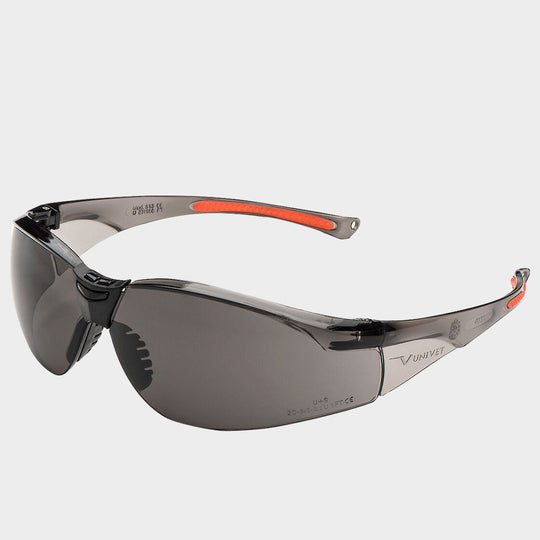
open type – usually with tempered glass or acetate optical lenses. They mainly protect against flying particles but do not provide adequate protection against chemicals, dust, or gases. On the other hand, optical lenses vary by class to meet specific needs and risks;
-
closed type – with acetate or polycarbonate lenses, closed-type PPE offers better protection and must comply with EN 166 standard. They protect against chemical and physical hazards;
-
face shields – attach to a helmet and provide full protection for the face and eyes. Protective shields are especially suitable for workplaces with a high risk of impacts or chemicals.
All these protective devices must undergo conformity testing with standards, providing protection against various types of risks – from chemicals to flying particles, as well as offering combined protection depending on their intended use.
How to choose eye protection online?
When choosing personal eye protection purchased from an online store, it is important to pay attention to several key aspects, including:
-
standards compliance – check that the products primarily comply with the EN 166 standard;
-
specific protection – choose solutions that provide protection against the specific risks you face, such as flying particles, chemicals, or rays;
-
comfort and durability – make sure the selected PPE is comfortable for prolonged wear, has a durable construction, and is resistant to scratches or impacts. This is crucial for their long-term effectiveness.
By following these recommendations, you will ensure maximum protection and effectiveness of the glasses when working in various conditions.
What care is necessary to provide for them?
To keep your safety glasses in optimal condition and ensure long-lasting vision protection, you should take several important steps based on safety standards and practical recommendations, including:
-
cleaning – clean them regularly with a soft cloth and appropriate cleaning solution. Avoid using abrasive materials that may scratch the surface. Choose cleaning products that comply with EN 166, providing scratch protection and maintaining lens clarity;
-
storage – when not in use, store them in a hard case that protects them from impacts, dust, and moisture. The case should be easy to carry and prevent damage to the lenses or frame;
-
damage inspection – regularly check them for visible damage such as cracks or scratches. If damage is found or after incidents where they were exposed to impacts, replace them. Safety glasses exposed to extreme temperatures may also lose some protective properties and should be replaced promptly;
-
replace when necessary – if the lenses have lost their transparency or protection after prolonged use or wear, replace them. Special attention should be given to PPE with ultraviolet and infrared filters, which may wear out over time.
By following these steps, you will ensure maximum efficiency and longevity of eye PPE, guaranteeing workplace safety.
Protecting vision in the workplace is of utmost importance, and choosing the right safety glasses according to established European standards like EN 166 can prevent serious eye injuries.
Protect your vision with high-quality work glasses by exploring the variety of models that meet all safety standards available at Bultex99Browse the offers in our online store Bultex99.com, compliant with EN 166, to choose the right protective equipment for your work today.