

The welding process involves the thermal joining of two metal elements. There is a risk of burns, electric shock, fire, inhalation of harmful gases, and many other hazards during the process. How can we protect ourselves and what safety measures should we take? What special clothing do we need? Can the online store Bultex99.com help?...
How to protect yourself during welding


The welding process involves the thermal joining of two metal elements. There is a risk of burns, electric shock, fire, inhalation of harmful gases, and many other hazards during the process. How can we protect ourselves and what safety measures should we take? What special clothing do we need? Can the online store Bultex99.com help?
What are the risks of welding
Electric arc welding is most commonly used to join metal structures and profiles. In the process, electrical energy generates the high temperature needed to change the state of the metal elements until a strong bond is established between them. The sparks released during welding, which are actually splashes of molten metal, can fly more than 5 meters away and may take up to 20 minutes to cool completely. This is why protective measures are necessary.
Considering various cases related to electric arc welding, specialists have compiled a list of the main risks that may arise:
- burns – the electric arc used can reach temperatures up to 4000°C. This leads to the production and emission of radiant radiation causing burns on the face and other parts of the body. The use of protective equipment is required. Due to flying sparks and splashes of molten metal, there is a risk of them getting under clothing, causing skin burns and deep painful wounds. Such a situation can also lead to clothing catching fire if it is not special flame-resistant clothing;
- fire safety – fires often occur due to sparks and hot, seemingly cold, metal fragments landing on flammable materials such as cardboard, paper, wood, fuels, and other easily ignitable materials. Many incidents happen at poorly cleaned workplaces with residual hot fragments that cause fires after welding – the three main components are present: flammable material, oxygen, and heat;
- toxic gases – toxic and poisonous gases are released during welding, and inhaling them can even be fatal. This makes it mandatory to provide protection. Ozone and various oxides are emitted from the high-voltage arc, causing irritation in the respiratory tract, eyes, and nose, which can be fatal in poorly ventilated spaces;
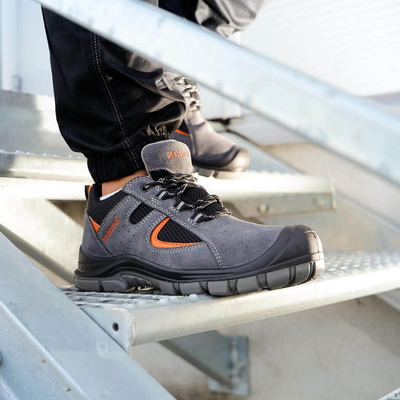
- electric shock – a common problem during welding. It occurs due to lack of current protection and damaged welding machines. The absence of grounding for the welding machine is also a major cause of accidents and electric shock risk. This is especially important when working in conditions of high humidity and presence of water. Modern welding machines operate at voltages of 220V or 380V – high and dangerous voltages for health. In such cases, in addition to grounding, wearing dielectric shoes is recommended.

Purpose of welding clothing
To protect against workplace accidents, prevent burns on the body, and shield the face from radiation, it is recommended to wear work uniforms and personal protective equipment. Their distinctive feature is their resistance to high temperatures. Their flame-resistant material prevents flames from igniting even when splashes of molten material land on them. Protective welding clothing and accessories protect against the harmful fumes generated during welding.
Welding protective clothing is wear-resistant and characterized by durability, strength, and practicality. An important requirement for preserving the life and health of the worker is that the protective welding clothing does not absorb or retain moisture, which protects against electric shocks. At the same time, it must provide the necessary mobility and comfort, which is important for properly performing work tasks.
What they include
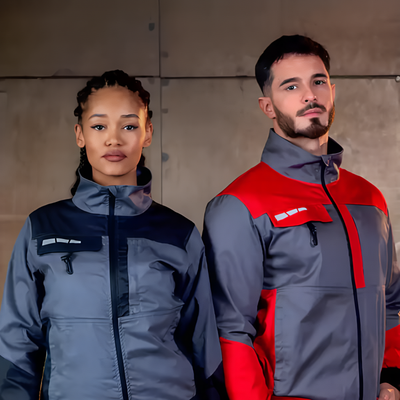
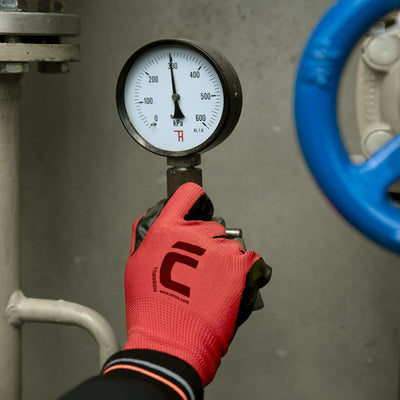
Welding clothing consists of a set including jackets, pants, cuffs, gaiters, gloves, shoes, and aprons. To ensure full protection during welding, especially of the face, which is the most vulnerable in such cases, it is recommended to purchase a welding mask. To prevent flying sparks and splashes of molten metal, wearing a special hood that allows simultaneous use of a protective mask is recommended.
All protective equipment must meet employee safety requirements and be made from special cotton fabric or natural leather.
What materials are they made of
To have the protective properties described above, welding clothing is mainly made from natural fabrics and materials. Jackets are primarily made from natural leather, natural suede, or canvas. In other cases, a combination of these materials is used.
Protective welding pants are mainly made from canvas, cotton, leather, or a combination of these. When choosing, it is important to consider the working climate conditions. Recommendations emphasize the presence of multiple pockets and additional elements in the knee area.
Why trust Bultex99.com
As a rapidly growing company in the field of protective and work clothing, as well as personal protective equipment, we are already among the leaders in the industry with our own production facilities and warehouse stocks. We constantly expand our product range of protective equipment and use proven and suitable materials for manufacturing our products. At Bultex99, we periodically update our technological equipment and production capacities, keeping us at the forefront by offering high quality and affordable prices.
Our commercial space covers an area of 10,000 sq. m. The ability to continuously monitor and control quality, costs, and automation allows effective cost optimization. This gives us a competitive advantage and the ability to offer affordable deals and regular promotions, fully aligned with the high quality of our goods.