
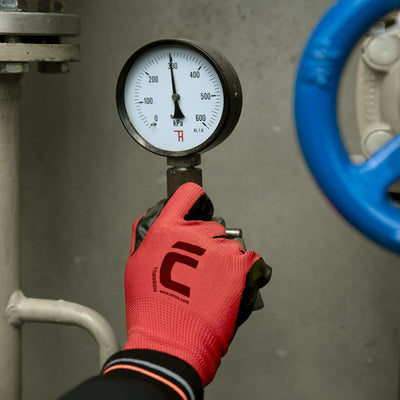




Gas analyzers are indispensable devices in many industries, providing critical monitoring of hazardous gases in the workplace. These devices help ensure safety by alerting to the presence of harmful gases, allowing timely measures to protect the health and lives of workers. How do gas analyzers work? Analyzers function as complex technological devices designed to detect...
Gas Analyzers: An Important Tool for Workplace Monitoring

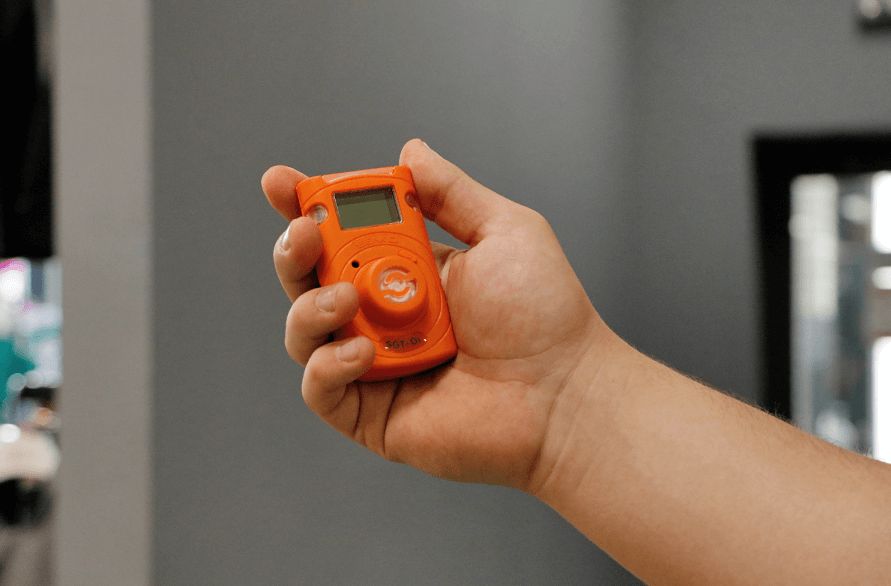
Gas analyzers are indispensable devices in many industries, providing critical monitoring of hazardous gases in the workplace. These devices help ensure safety by alerting to the presence of harmful gases, allowing timely measures to protect the health and lives of workers.
How do gas analyzers work?
Analyzers function as complex technological devices designed to detect and measure the concentration of various gases in the air. They use a variety of analysis methods, such as infrared analysis, which measures gases through their characteristic infrared absorption. They also include electrochemical sensors that react to certain gases by changing electrical properties, as well as catalytic combustion, which reacts to a catalyst producing heat.
Sensors in analyzers are sensitive to specific gases and, upon detection, send a signal to the device's display, showing data about the type and concentration of the gas.
Where are they used?
Analyzers are used in various sectors where air quality control and safety are critical. They, along with face and half-face masks, are an important element of respiratory protection in the chemical industry, where monitoring emissions and reactive gases is crucial for process management.
In the automotive industry, analyzers are used to check exhaust gases and optimize fuel systems. In fuel production and HVAC management, they help detect leaks and control air quality.
Also, in enclosed and confined spaces where there is a risk of gas leakage, using analyzers is important to prevent accidents and protect people's health.
What is important to know before purchasing them?
When choosing an analyzer, you need to consider several key aspects to ensure the device meets the specific needs of your work. What are they?
-
View of the detected gas
Different analyzers are designed to detect different types of gases. It is necessary to choose a device capable of identifying the specific gases your operation may encounter. For example, if you work with natural gas, the device should be able to detect methane. Analyzers can be classified as residential or industrial, single-channel or multi-channel, as well as by various criteria including detection method, portability, and specific application. Here are some of the main types and their characteristics:
-
infrared – use infrared technology to identify gases by analyzing their absorption spectral behavior. Suitable for detecting toxic and oxygen gases;
-
electrochemical – operate through an electrochemical sensor. They are highly sensitive and used for detecting CO2 and hydrogen sulfide;
-
catalytic – use a catalytic element that heats up upon contact with combustible gas, leading to measurement of temperature change. These devices are suitable for detecting methane and propane;
-
semiconductor – these detectors use changes in the electrical conductivity of semiconductor materials upon interaction. They are suitable for detecting a variety of gases, including toxic and combustible ones.
-
Sensitivity and Accuracy
These parameters determine the device's ability to identify even very low gas concentrations, which is critical for early warning and prevention of gas incidents. Look for devices that offer high accuracy and reliability under various conditions.
-
Durability and Maintenance
Choose analyzers designed to withstand harsh working conditions and have long sensor lifespans. This reduces the need for frequent replacements and increases reliability. Additionally, check if the device is easy to maintain and service, which will significantly lower operational costs.
-
Safety Features
It is important for the analyzer to have built-in alarms and indicators that can warn staff upon detecting dangerous levels. These features include light, sound, and vibration, which help ensure a quick response to potential hazards.
Being informed about these key aspects before purchasing a gas analyzer is essential to ensure that the device will function effectively and provide the necessary respiratory protection in the workplace.
Is staff training required for their use?
For optimal efficiency and safety, the staff using gas analyzers, must undergo specialized training. This training should focus on mastering the skills to operate the device, understanding and interpreting the measured data, as well as developing procedures for action in emergency situations.
Proper and comprehensive training is essential because it ensures that everyone can not only operate the device effectively but also maintain workplace safety by responding adequately and promptly to potential hazards.
What benefits does shopping at Bultex99 bring you?
Purchasing an analyzer from our online store offers exceptional advantages, including:
-
a wide range of products – in Bultex99 we offer a variety of portable analyzers with replaceable batteries that meet different industrial needs. Compact and easy to carry, these portable devices allow users to conduct on-site checks. They are ideal for use in confined spaces or when mobility is required;
-
competitive prices – with a selection from Bultex99.com, you gain access to high-quality devices, clothing, protective equipment for single and multiple use at competitive prices;
-
qualified service – our professional service and support ensure that your choice is the right one;
-
fast delivery – all orders are processed and delivered quickly so you receive the necessary equipment on time.
Choosing the right analyzer can significantly improve workplace safety and efficiency while reducing the risks of accidents and health issues among workers.