



Work environment factors are an integral part of every employee’s daily life and can have a significant effect on their health, productivity, and overall well-being. They can include a variety of physical, chemical, biological, and psychosocial influences that together determine the quality of the workplace. It is important for both employers and workers to understand...
Work Environment Factors: What They Are and How They Affect Employees


Work environment factors are an integral part of every employee’s daily life and can have a significant effect on their health, productivity, and overall well-being. They can include a variety of physical, chemical, biological, and psychosocial influences that together determine the quality of the workplace.
It is important for both employers and workers to understand their impact in order to take the necessary measures to ensure a safe and healthy environment for performing duties.
What is meant by work environment factors and what are they?
Work environment factors play a key role in the well-being and efficiency of employees. Let’s look at the main types that have an impact, as well as what measures can be taken to reduce their negative effects.
Noise
Noise is one of the most common physical factors that can cause serious health problems. Excessive noise exposure can lead to:
-
hearing problems – prolonged exposure to high noise levels can cause permanent hearing loss;
-
stress and fatigue – noise can lead to increased stress and fatigue, reducing workers' efficiency;
-
reduced concentration – noise distracts attention and makes it difficult to perform complex tasks.
It is important for employers to take measures to measure and control noise levels to ensure a safe environment. Also, the use of personal protective equipment (PPE) can significantly reduce its negative impact.
Lighting
Workplace lighting is essential for visual comfort and employee efficiency. Improper lighting can cause:
-
visual discomfort – poorly lit environments harm visual comfort, increase eye strain, and carry the risk of permanent vision damage;
-
headache – poor lighting can cause headaches and other health problems;
-
risk of accidents – proper lighting is also important for workplace safety, reducing the risk of mishaps.
To ensure optimal lighting, employers should regularly check and maintain lighting fixtures, as well as provide suitable workspaces for employees.
Microclimate
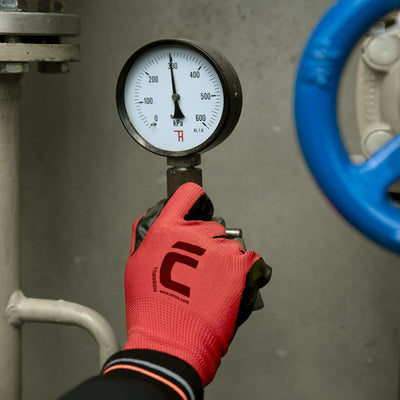
The microclimate includes factors such as temperature, humidity, and air currents, which can significantly affect the comfort and health of employees. Here is how they impact:
-
temperature – excessively high or low temperatures can cause discomfort and reduced productivity;
-
humidity – proper air humidity is important to prevent respiratory problems and skin irritations;
-
air currents – improper air circulation can lead to illnesses and increased risk of infections.
Maintaining an optimal microclimate requires regular measurement of these factors and taking corrective measures, such as installing climate control systems and regulating humidity.
Vibrations
Vibrations caused by machines and equipment can lead to serious health consequences, especially with prolonged exposure. They may cause:
-
musculoskeletal injuries – prolonged exposure to vibrations can cause joint and muscle pain;
-
nervous system – vibrations may negatively affect the peripheral nervous system, leading to numbness and other symptoms;
-
low productivity – vibrations may reduce accuracy and work speed, especially in tasks requiring precision.
The use of personal protective equipment such as anti-vibration gloves can help reduce the impact of vibrations on workers.
Other factors
In addition to those mentioned above, there are other harmful workplace factors that may affect the health and efficiency of employees, including:
-
chemical agents – exposure to chemical substances can cause respiratory and dermatological problems;
-
biological agents – some environments may involve the risk of exposure to viruses, bacteria, and other pathogens;
-
ergonomics – improper workplace organization can lead to musculoskeletal problems and discomfort.
Employers must conduct regular risk assessments and take measures to control these factors to ensure a safe and healthy working environment.
Who is responsible for their measurement?
The measurement and control of factors are the responsibility of both employers and specialized bodies and institutions. Employers bear the primary responsibility for ensuring a safe working environment, according to the requirements of the Occupational Health and Safety Act.
Employers should conduct regular measurements and assessments, provide the necessary personal protective equipment, and take corrective actions when needed.
Specialized bodies, on the other hand, carry out control and supervision over compliance with the legislation and provide guidance and recommendations.
Workers also have a responsibility to follow safety instructions and use the provided personal protective equipment to minimize health risks.
How often is it performed?
Measurements of workplace factors must be carried out regularly to ensure that conditions remain safe and healthy for employees.
-
Noise level measurements should be done at least once a year or whenever there is a change in the environment that may affect them.
-
Lighting should be checked periodically, at least once a year, and whenever there is a change in the workspace.
-
Temperature, humidity, and air flow measurements should be performed regularly, especially during seasonal changes.
-
Checking current vibration levels is necessary whenever there is a change in equipment or work processes that may affect them.
-
Measurements of chemical and biological agents should be carried out according to the specific requirements of the regulations and whenever there is a change in the environment.
Regular monitoring of these factors is essential to maintain a safe and healthy working environment.
What personal protective equipment do you need against their negative impact?
To protect against the negative effects of workplace factors, workers must use appropriate PPE, such as:
-
ear defenders and earplugs – needed to protect against noise and reduce the risk of hearing loss. At Bultex99, we offer a wide range of types to meet different needs and requirements;
-
light detectors – help check workplace lighting and ensure appropriate illumination;
-
climate control systems and humidifiers – help maintain an optimal microclimate;
-
anti-vibration work gloves – reduce the impact of vibrations on workers;
-
protective masks and respirators – required when working with chemical and biological agents to protect the respiratory tract.
The use of appropriate personal protective equipment is mandatory to minimize health and safety risks for workers. Employers must provide and maintain this equipment, and employees must use it correctly.
Maintaining a safe working environment requires effort and commitment from all parties. Through regular measurement, monitoring, and the use of appropriate PPE, the health and well-being of all employees can be ensured. For more information about these products and to purchase personal protective equipment, you can browse the offers in our online store. Bultex99.com.